
An Overview of Palm Oil
Palm oil is an edible vegetable oil derived from the mesocarp (reddish pulp) of the fruit of oil palms, primarily the African oil palm Elaeis guineensis, and to a lesser extent from the American oil palm Elaeis oleifera and the maripa palm Attalea maripa. Within the global Palm Oil Products Malaysia industry, palm oil is one of the most widely produced and traded vegetable oils.
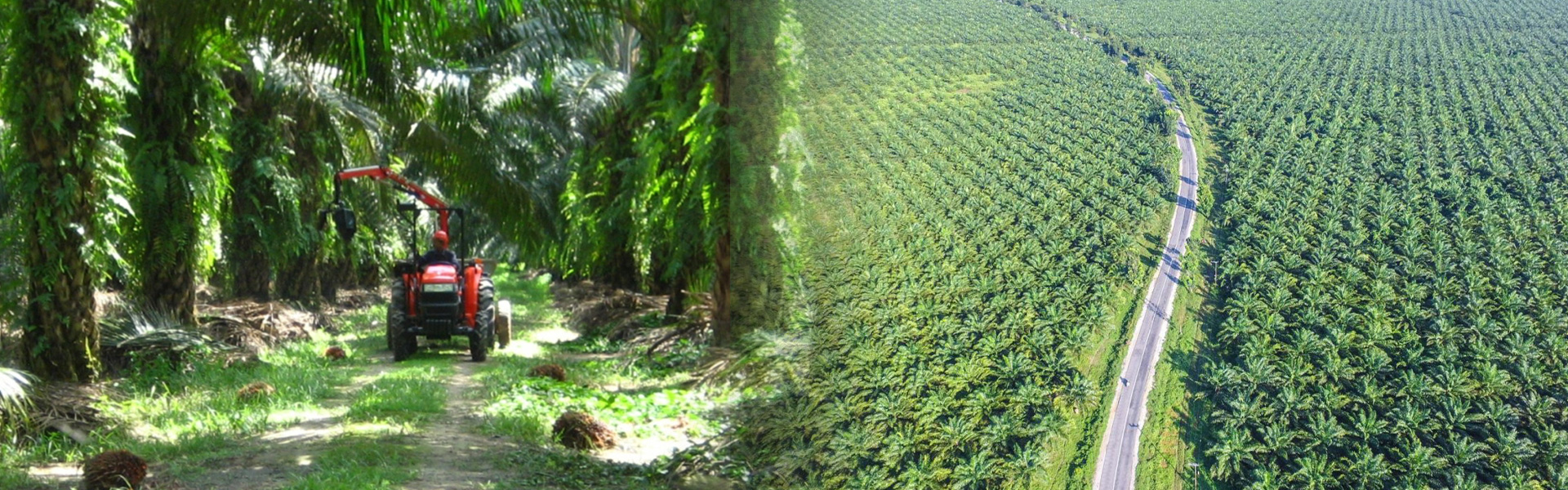
The use of palm oil in food and beauty products has attracted the concern of environmental groups. The high oil yield of the trees has encouraged wider cultivation, leading to the clearing of forests in parts of Indonesia and Malaysia to make space for oil-palm monoculture. As part of the responsible practices adopted by a Palm Oil Company Malaysia, many producers are increasingly focusing on sustainable sourcing and compliance within the Palm Oil Export Malaysia supply chain.
This has resulted in significant acreage losses of the natural habitat of the three surviving species of orangutan. One species in particular, the Sumatran orangutan, has been listed as critically endangered.
Within the global Palm Oil Products Malaysia industry, this issue has increased attention on sustainable sourcing practices among a Palm Oil Company Malaysia, particularly in regions where palm oil cultivation overlaps with sensitive ecosystems.
Efforts within the Palm Oil Export Malaysia supply chain increasingly emphasize environmental responsibility, traceability, and compliance to reduce further impact on biodiversity, including habitats of endangered species such as orangutans.
Processing and use
Palm oil is naturally reddish in color because of its high beta-carotene content. It is not to be confused with palm kernel oil derived from the kernel of the same fruit, or coconut oil derived from the kernel of the coconut palm (Cocos nucifera). Within the Palm Oil Products Malaysia industry, understanding these distinctions is important for proper product classification and usage.
The differences are in color (raw palm kernel oil lacks carotenoids and is not red), and in saturated fat content: palm mesocarp oil is 49% saturated, while palm kernel oil and coconut oil are 81% and 86% saturated fats, respectively. As a Palm Oil Company Malaysia engaged in processing and trading activities, product knowledge and accurate differentiation are essential for quality assurance and export compliance within the Palm Oil Export Malaysia supply chain.
However, crude red palm oil that has been refined, bleached, and deodorized—a common commodity called RBD (refined, bleached, and deodorized) palm oil—does not contain carotenoids. Within the Palm Oil Products Malaysia industry, RBD palm oil is one of the most widely used refined forms for industrial and food applications.
Many industrial food applications of palm oil use fractionated components of palm oil (often listed as “modified palm oil”), which are commonly handled by a Palm Oil Company Malaysia involved in processing and trading operations. These fractions can have saturation levels reaching up to 90%; although highly saturated, they are not necessarily hydrogenated.
In the broader Palm Oil Export Malaysia supply chain, these refined and fractionated palm oil products are widely traded due to their stability, versatility, and suitability for large-scale food manufacturing.
Used in
Oil produced from palm fruit is called red palm oil or just palm oil. It is around 50% saturated fat—considerably less than palm kernel oil—and 40% unsaturated fat and 10% polyunsaturated fat. In its unprocessed state, red palm oil has an intense deep red color because of its abundant carotene content. Like palm kernel oil, red palm oil contains around 50% medium chain fatty acids, but it also contains the following nutrients:
- Carotenoids,such as alpha-carotene, beta-carotene, and lycopene
- Sterols
- Vitamin E
WIKIPEDIA | Read More...